
Make Every Inch Count
Small rooms can feel crowded quickly, but the right storage plan can make them more comfortable and useful. The goal is not to fit more belongings into your home. It is to give everything a clear place while keeping important items easy to reach.
The most effective small-space storage ideas usually follow three principles:
- Use vertical space instead of only floor space.
- Choose furniture that serves more than one purpose.
- Keep frequently used items visible or easy to access.
Before buying organizers or furniture, look at your daily habits. Notice where clutter collects, which items you use often, and which belongings can be stored out of the way. This simple review will help you choose storage that fits your home instead of adding more unnecessary pieces.
Use Vertical Space
When floor space is limited, look up. Walls, doors, and the area above furniture can provide valuable storage without making a room feel smaller.
Install Wall Shelves
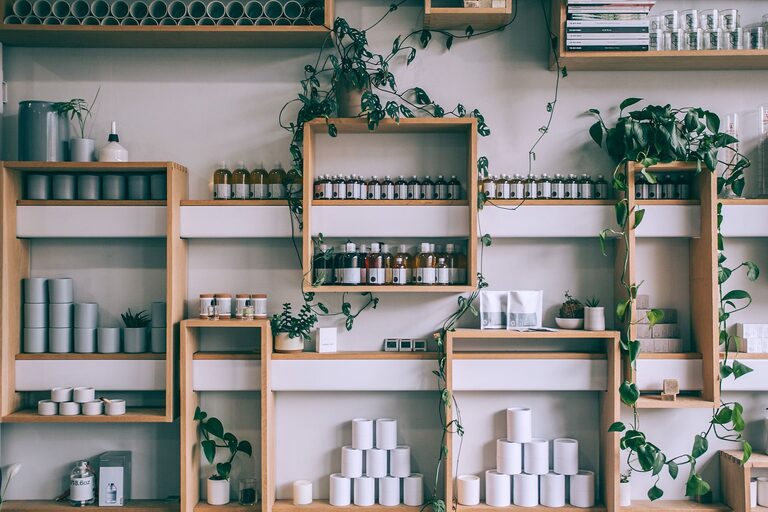
Wall-mounted shelves work well in living rooms, bedrooms, kitchens, and bathrooms. Use them for books, baskets, plants, toiletries, or everyday items. A few long shelves can create more storage than a bulky cabinet while leaving the floor open.
For a cleaner look, group similar items in matching baskets or boxes. This reduces visual clutter and makes shelves easier to maintain.
Take Advantage of Door Space
The back of a door is often overlooked. Over-the-door organizers can hold shoes, cleaning supplies, accessories, pantry items, or bathroom products. In a bedroom, a row of hooks can store robes, bags, and hats.
Choose a slim organizer if the door is near a wall or another piece of furniture. Make sure it does not prevent the door from opening fully.
Use the Space Above Furniture
The area above a bed, sofa, desk, or toilet can provide useful storage. Consider narrow cabinets, floating shelves, or a high shelf for items you do not need every day.
Keep heavier objects on lower shelves and lighter items higher up. Use secure mounting hardware, especially for shelves placed above seating or sleeping areas.
Choose Furniture With Built-In Storage
In a small home, every major piece of furniture should earn its space. Look for designs that combine comfort and storage.
Storage Beds and Ottomans
A bed with drawers or lift-up storage can hold extra bedding, clothing, luggage, or seasonal items. If replacing the bed is not practical, use shallow containers under the existing frame.
Ottomans and benches with hinged tops are useful in living rooms, bedrooms, and entryways. They can provide seating, a place to rest your feet, and concealed storage at the same time.
Use a Drop Leaf Table
A drop leaf table can serve as a dining table, work surface, or craft area without taking up permanent space. Fold the sides down when the table is not in use, and use nearby wall storage for supplies.
A nesting table set offers a similar benefit. The tables can be separated when needed and stacked together when you want more open floor space.
Select Furniture With a Small Footprint
Choose tall, narrow furniture instead of wide, low pieces when possible. A slim bookcase, vertical cabinet, or narrow rolling cart can provide storage while keeping pathways clear.
Measure the area before shopping. Pay attention to width, depth, height, and the amount of space needed to open drawers and doors.
Improve Closets and Cabinets
Many storage problems come from using a closet or cabinet inefficiently. A few simple adjustments can greatly increase capacity.
Double the Hanging Space
In a clothing closet, add a second hanging rod below the first one for shirts, skirts, or folded pants. Use the upper section for longer garments such as coats and dresses.
Slim hangers can also create extra room. Replace bulky mismatched hangers with a consistent set, and remove items you no longer wear.
Add Shelf Dividers and Bins
Shelf dividers prevent stacks of clothing, towels, or linens from collapsing. Bins can group smaller items and make high or deep shelves easier to use.
Label containers by category, such as scarves, cables, guest towels, or seasonal accessories. Clear labels reduce searching and make it easier to put items away.
Use Cabinet Doors
Small racks, hooks, and magnetic containers can turn the inside of a cabinet door into useful storage. This works especially well for kitchen tools, hair accessories, cleaning supplies, and measuring items.
Avoid overloading cabinet doors. Too much weight can strain the hinges or make the door difficult to close.
Make Small Rooms Easier to Organize
Different rooms need different storage approaches, but a few solutions work almost anywhere.
Create an Organized Entryway
A small entryway can become cluttered with shoes, bags, keys, and mail. Use wall hooks, a narrow shoe cabinet, and a small tray for keys and other daily items.
If space is extremely limited, mount hooks at different heights and add a slim shelf above them. Store only the items used regularly near the door.
Keep the Kitchen Flexible
A rolling cart can add storage and workspace in a kitchen without requiring permanent installation. Move it when you need more room, or use it as a coffee station, pantry, or baking center.
Magnetic strips can hold knives or small metal tools, while stackable shelves can create another level inside cabinets. Store the items you use most often at eye level.
Organize the Bathroom Vertically
Use a narrow shelving unit beside the sink or toilet for towels and toiletries. Wall hooks can hold towels, brushes, or toiletry bags. Small bins help keep similar products together.
To make the room feel less crowded, avoid filling every open surface. Keep counters limited to daily essentials and store backup supplies elsewhere.
Use Hidden and Flexible Storage
Hidden storage helps a small room look calm, while flexible storage can change as your needs change.
Look for opportunities under stairs, beneath benches, inside hollow furniture, or behind curtains. A simple fabric skirt around a table can hide storage boxes without adding another cabinet.
Folding furniture is another helpful option. Folding chairs, collapsible crates, and wall-mounted desks can be put away when they are not needed. Choose sturdy products that are easy to open and store, or they may go unused.
Keep Storage Under Control
Good storage will not work for long if every space becomes overfilled. Use a regular reset routine to keep clutter from returning.
Try these habits:
- Return items to their assigned places after use.
- Review one drawer, shelf, or basket each week.
- Keep a donation box for items you no longer need.
- Store similar items together.
- Leave a little open space in drawers and cabinets.
Avoid buying organizers before sorting your belongings. Once you know what you are keeping, you can select the right size and type of storage.
Start With One Problem Area
You do not need to reorganize your entire home at once. Start with the area that causes the most frustration, such as a crowded entryway, overfilled closet, or messy kitchen cabinet.
Remove everything, group similar items, and decide what belongs in the space. Then add one or two storage solutions that match your routine. Small improvements can make a noticeable difference when they are easy to maintain.
The best small-space storage system is simple, accessible, and suited to the way you live. By using vertical areas, choosing multipurpose furniture, and keeping possessions organized, you can create a home that feels more open without adding extra square footage.