
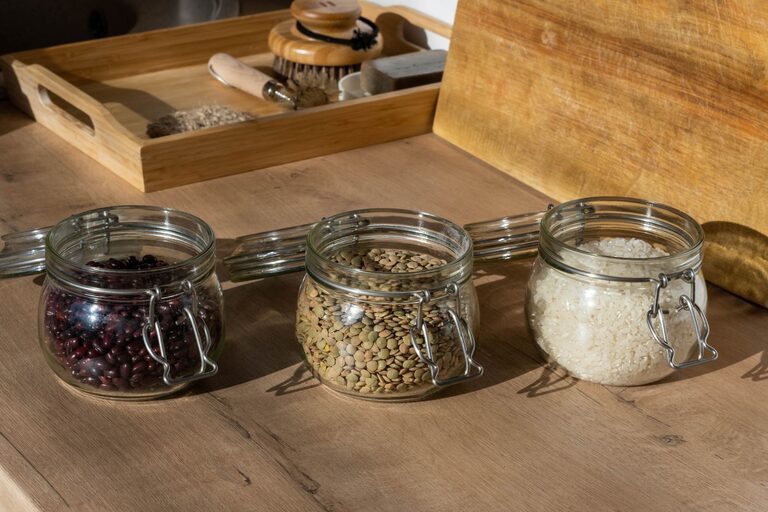
Planning meals from pantry staples can save time, reduce food waste, and make busy days easier. A well-stocked pantry gives you a reliable starting point, even when you have not planned ahead or made a recent grocery trip.
The goal is not to prepare the same meals repeatedly. Instead, think of your pantry as a collection of building blocks that can be combined in different ways. With a few basic ingredients, you can create soups, pasta dishes, grain bowls, casseroles, skillet meals, and quick snacks.
Start With a Pantry Inventory
Before planning meals, take a few minutes to see what you already have. Group similar items together so they are easy to find.
Useful pantry categories include:
– Grains such as rice, pasta, oats, couscous, and quinoa
– Canned foods such as beans, tomatoes, corn, and vegetables
– Dried foods such as lentils, split peas, and dried fruit
– Sauces and flavorings such as broth, vinegar, soy sauce, and salsa
– Baking supplies such as flour, sugar, baking powder, and breadcrumbs
– Seasonings such as salt, pepper, garlic powder, herbs, and spices
– Shelf stable proteins such as canned tuna, peanut butter, and nuts
Check expiration dates and place older items near the front. This simple “first in, first out” system helps you use food before newer items.
You do not need a perfect inventory list. A quick note on your phone or a sheet of paper can help you remember what is available.
Use the Meal Building Block Method
A simple way to plan is to build each meal from four parts:
- A base
- A protein
- Vegetables or fruit
- A sauce, seasoning, or topping
For example, rice can be the base, canned beans can provide protein, and canned or frozen vegetables can add color and texture. Salsa, hot sauce, herbs, or shredded cheese can finish the meal.
Here are some common combinations:
– Pasta, canned tuna, peas, and tomato sauce
– Rice, black beans, corn, and salsa
– Oats, peanut butter, dried fruit, and cinnamon
– Couscous, chickpeas, canned tomatoes, and herbs
– Tortillas, refried beans, rice, and hot sauce
– Potatoes, canned beans, vegetables, and grated cheese
This method gives you flexibility. If one ingredient is missing, you can often replace it with something similar without changing the entire meal.
Choose a Weekly Meal Pattern
Rather than planning seven completely different recipes, assign a general theme to each day. This makes planning faster and creates variety.
A simple weekly pattern might include:
– Monday: Pasta or noodles
– Tuesday: Rice or grain bowls
– Wednesday: Soup or stew
– Thursday: Tacos, wraps, or quesadillas
– Friday: Casserole or baked dish
– Saturday: Breakfast for dinner
– Sunday: Leftovers or a clean-out-the-pantry meal
The pattern does not have to be followed exactly. It is simply a guide that helps you decide what to make when you are short on ideas.
You can also plan two or three main dishes and use the leftovers in different ways. For example, a pot of seasoned beans can become a rice bowl, taco filling, or soup ingredient later in the week.
Plan Around Flexible Ingredients
Some pantry staples are especially useful because they can work in many types of meals.
Canned tomatoes
Canned tomatoes can become pasta sauce, soup, chili, curry, or a base for a skillet meal. Choose whole, diced, crushed, or fire-roasted tomatoes based on what you have available.
Beans and lentils
Beans and lentils add substance to meals and work well in soups, salads, wraps, bowls, and casseroles. Canned beans are convenient, while dried lentils cook relatively quickly and do not always require soaking.
Rice, pasta, and grains
These ingredients are filling bases for many meals. Cooked rice can be used in fried rice, stuffed vegetables, bowls, or soup. Pasta can be mixed with sauces, canned vegetables, beans, or leftover meat.
Oats
Oats are useful beyond breakfast. They can be made into overnight oats, baked oatmeal, snack bars, or a savory bowl. Oats can also replace breadcrumbs in some recipes.
Peanut butter and nuts
These foods can add flavor and texture to oatmeal, toast, noodles, sauces, and snacks. Peanut butter mixed with soy sauce, vinegar, and a little water can make a quick sauce for noodles or vegetables.
Keep a Short List of Fresh Additions
Pantry meals often taste better with one or two fresh ingredients. You do not need to buy a large selection of produce each week.
Useful additions include:
– Onions and garlic
– Carrots and celery
– Potatoes
– Cabbage
– Lemons or limes
– Apples or bananas
– Fresh greens
– Eggs
– Cheese or yogurt
Choose ingredients that can be used in several meals. For example, onions can flavor soup, rice, pasta sauce, and beans. Cabbage can be added to stir-fries, wraps, salads, or soups.
Frozen vegetables are also helpful. They last longer than many fresh options and can be added directly to soups, pasta dishes, rice meals, and casseroles.
Make a Simple Meal Plan
Once you know what you have, plan meals using a basic chart. Write down the main dish, the ingredients needed, and how leftovers will be used.
For example:
Day 1: Tomato Bean Pasta
Combine pasta, canned tomatoes, beans, garlic, and Italian seasoning. Add frozen spinach or another vegetable if available.
Day 2: Rice Bowls
Use leftover beans and rice with corn, salsa, and cheese. Add a fried or scrambled egg if desired.
Day 3: Pantry Soup
Simmer canned tomatoes, broth, lentils or beans, pasta, and vegetables. Season with herbs and pepper.
Day 4: Quesadillas or Wraps
Fill tortillas with beans, rice, cheese, and vegetables. Serve with salsa or yogurt.
This plan uses overlapping ingredients without making every meal taste the same.
Plan for Substitutions
Pantry cooking works best when you are comfortable making swaps. If a recipe calls for one ingredient, ask what role it plays.
– Replace rice with pasta, couscous, potatoes, or another grain.
– Replace black beans with chickpeas, kidney beans, or lentils.
– Replace canned tomatoes with tomato sauce or broth plus tomato paste.
– Replace fresh vegetables with frozen or canned vegetables.
– Replace breadcrumbs with crushed crackers, oats, or cereal.
– Replace a specific herb with another herb or a seasoning blend.
Taste as you cook and adjust gradually. You can add more seasoning, acidity, or liquid as needed, but it is harder to correct a dish that has become too salty or spicy.
Prepare Ingredients in Batches
Batch preparation can make pantry meals much easier during the week. Cook a large amount of rice, pasta, beans, or lentils and store portions for later meals.
You can also prepare a basic sauce, chop sturdy vegetables, or portion snacks in advance. Store cooked foods in clean containers and refrigerate them promptly. Label containers with the date so you know what should be used first.
Even 20 to 30 minutes of preparation can reduce the amount of work required on busy evenings.
Finish With a Pantry Check-In
At the end of the week, note which ingredients were especially useful and which items were overlooked. Add frequently used staples to your shopping list before they run out.
A practical pantry usually includes foods you enjoy and regularly use. Avoid buying large quantities simply because an item is popular or inexpensive. The best staples are ingredients that fit your cooking habits and can be combined in several ways.
With a basic inventory, a flexible meal pattern, and a willingness to substitute, pantry staples can support simple, satisfying meals throughout the week.