
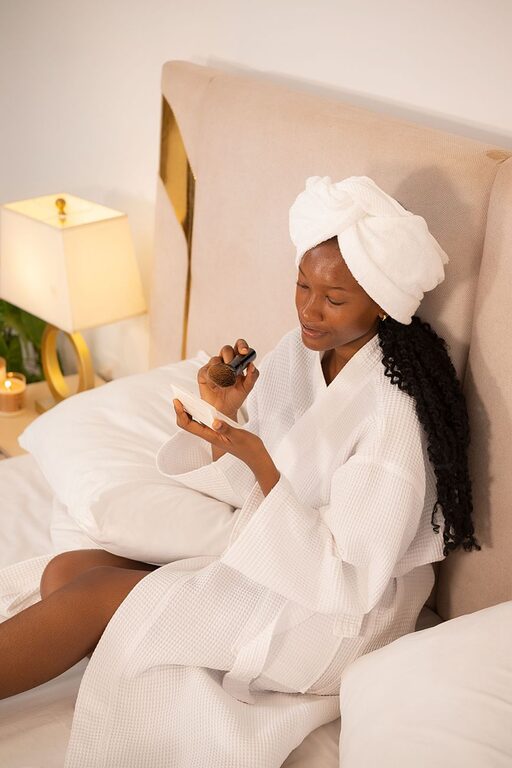
Self-care does not have to involve expensive products, spa visits, or elaborate routines. Often, the most helpful habits are simple actions that give you time to rest, reset, and focus on what you need.
Whether you have a few minutes or a whole afternoon, there are many low-cost ways to care for yourself at home. The ideas below can help you create moments of comfort and relaxation using items you may already have.
Create a Calm Space
A peaceful environment can make it easier to slow down. You do not need to redecorate an entire room. Start with one small area that you can use when you want a break.
Try these simple changes:
– Clear one surface, such as a nightstand or desk.
– Put away items that create visual clutter.
– Open a window for fresh air, if comfortable.
– Use a favorite blanket, pillow, or chair.
– Play quiet music or enjoy a few minutes of silence.
– Turn off unnecessary notifications.
The goal is not perfection. Even a tidy corner can feel more inviting and make your routine feel special.
Make a Simple Morning or Evening Routine
A routine can provide structure and create a clear beginning or end to the day. Keep it short enough that it feels manageable rather than like another task on your list.
A low-cost morning routine might include:
- Drinking a glass of water.
- Opening the curtains or stepping outside briefly.
- Writing down one priority for the day.
- Stretching gently for a few minutes.
- Playing a song that puts you in a good mood.
An evening routine could include:
- Putting away a few items.
- Making a warm, caffeine-free drink.
- Writing down something that went well.
- Reading a few pages of a book.
- Dimming the lights before bed.
Choose only the steps that feel useful. A routine should support you, not make you feel pressured.
Enjoy a Technology Break
Screens can be useful, but constant notifications and scrolling may leave you feeling distracted. A short technology break can create room for rest and focus.
Start with 15 to 30 minutes. Place your phone in another room or turn on a quiet mode. During the break, you could:
– Read a magazine or book.
– Sit near a window.
– Listen to music.
– Complete a puzzle.
– Write in a notebook.
– Enjoy a snack without watching a screen.
If a full break feels difficult, choose one screen-free activity during a regular part of your day, such as breakfast or the last 20 minutes before bed.
Try Free Creative Activities
Creative activities can be relaxing even when you do not consider yourself artistic. The focus is on enjoying the process, not producing something perfect.
Consider trying:
– Drawing with a pen or pencil.
– Coloring with supplies you already own.
– Writing a short story or poem.
– Taking photos around your home.
– Making a collage from old magazines.
– Rearranging books or decorations.
– Learning a simple song.
– Decorating a notebook.
You can also set a small creative challenge, such as drawing for five minutes without lifting your pen. Simple limits can make it easier to begin.
Prepare a Comforting Meal or Drink
Food can be part of a thoughtful self-care routine. Instead of ordering something expensive, make a simple meal using ingredients already in your kitchen.
You might prepare:
– A favorite sandwich with fresh toppings.
– A bowl of soup or noodles.
– Toast with fruit or another topping.
– Homemade popcorn with seasonings.
– A smoothie made with available ingredients.
– Tea, cocoa, or another warm drink.
Make the experience feel intentional. Use a favorite mug, sit at the table, and take your time. You can also play music or set out a napkin to make an ordinary meal feel more enjoyable.
Practice Gentle Movement
Movement can help break up long periods of sitting and bring attention back to your body. You do not need special equipment or a paid class.
Try one of these options:
– Walk around your home for a few minutes.
– Follow a free beginner movement video.
– Stretch your arms, shoulders, and legs.
– Dance to two or three favorite songs.
– Do simple household tasks at a steady pace.
– Step outside for a short walk, if convenient.
Choose activities that feel comfortable and sustainable. The purpose is to refresh yourself, not to complete a demanding workout.
Use Journaling to Clear Your Mind
Writing can provide a private place to organize thoughts. You only need a piece of paper and a pen, and there are no rules about grammar or style.
Use one of these prompts:
– What do I need most today?
– What has been taking up my attention?
– What is one small thing I can handle?
– What made me smile recently?
– What would make this week feel easier?
– What am I looking forward to?
You can also make a simple three-column list: “Things on my mind,” “Things I can do,” and “Things that can wait.” This may help separate immediate tasks from worries that do not need your attention right away.
Turn Chores Into a Reset
Household tasks may not sound like self-care, but a small amount of tidying can make your space feel more comfortable. Keep the task limited so it does not become overwhelming.
Set a timer for 10 minutes and choose one area:
– A kitchen counter.
– A bathroom shelf.
– A bedside table.
– A section of your closet.
– Your work or study space.
Play music while you work, and stop when the timer ends. You do not have to finish everything. The purpose is to create a little more ease in your surroundings.
Connect With Someone
Self-care can include positive connection with other people. A free conversation may provide encouragement, laughter, or a welcome change of pace.
You could:
– Call a friend or family member.
– Send a thoughtful message.
– Write a letter or email.
– Join a free online interest group.
– Share a photo, recipe, or song.
– Play a word or trivia game together.
If you prefer quiet company, invite someone to read, watch a favorite show, or work on separate projects during a call.
Build a Personal Self-Care Menu
Different days call for different kinds of care. Create a short list of activities you can choose from based on your time and energy.
When you have five minutes
– Take a few slow breaths.
– Drink a glass of water.
– Step outside or look out a window.
– Stretch your shoulders.
– Write down one thought.
When you have 15 minutes
– Make a warm drink.
– Listen to music.
– Tidy one small area.
– Journal with a simple prompt.
– Read a few pages.
When you have an hour
– Prepare a favorite meal.
– Take a relaxed walk.
– Try a creative project.
– Have a longer phone conversation.
– Create a calm evening routine.
The best self-care routine is one you can return to without spending much money or adding unnecessary pressure. Start with one small idea, notice what helps you feel more refreshed, and build from there.